
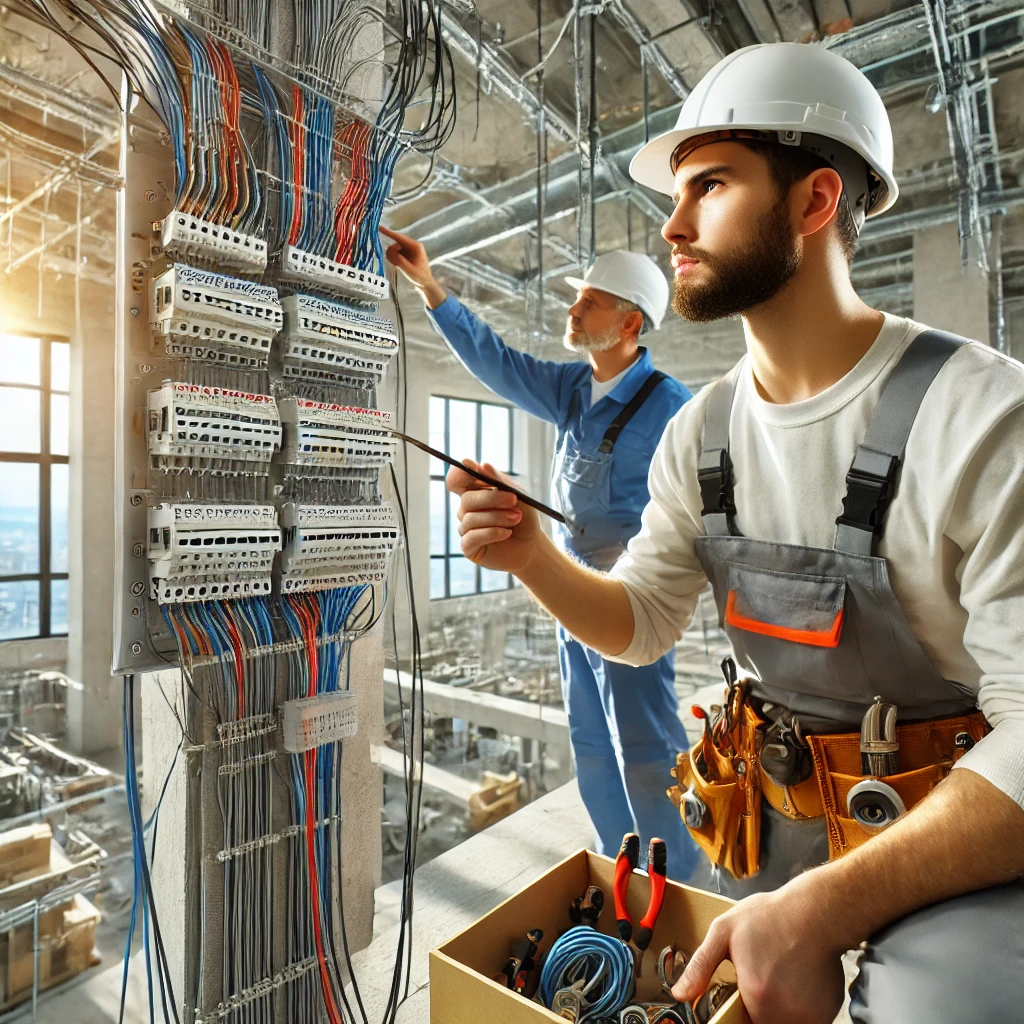
Electrical safety is paramount in ensuring the well-being of individuals and the integrity of buildings. Recent advancements in electrical safety standards are enhancing the security and reliability of electrical systems in both residential and commercial properties. Here are some key developments:
1. Arc Fault Circuit Interrupters (AFCIs): AFCIs are designed to detect and prevent electrical arcs, which can cause fires. These devices are now required in many residential circuits, providing an additional layer of protection against electrical hazards.
2. Ground Fault Circuit Interrupters (GFCIs): GFCIs protect against electrical shock by quickly shutting off power when a ground fault is detected. These devices are essential in areas with high moisture levels, such as bathrooms, kitchens, and outdoor spaces. New regulations have expanded their required use to more areas within homes and buildings.
3. Enhanced Wiring Standards: Modern buildings are increasingly adopting higher standards for electrical wiring. This includes using materials that are more resistant to heat and wear, as well as implementing better insulation techniques to prevent short circuits and electrical fires.
4. Smart Electrical Panels: Smart electrical panels allow for remote monitoring and management of a building’s electrical system. These panels provide real-time data on energy usage, circuit status, and potential issues, enabling proactive maintenance and reducing the risk of electrical failures.
5. Improved Training and Certification: Ensuring that electricians are well-trained and certified is crucial for maintaining high safety standards. New training programs and certification requirements are being implemented to ensure that electricians are knowledgeable about the latest safety protocols and technologies.
6. Renewable Energy Integration: As renewable energy sources like solar and wind become more prevalent, integrating these systems safely into existing electrical grids is essential. New safety standards are being developed to manage the unique challenges posed by renewable energy, ensuring that these systems can be used safely and efficiently.
These advancements in electrical safety standards are making buildings safer and more reliable. By adopting these new technologies and protocols, we can significantly reduce the risk of electrical accidents and ensure a safer environment for everyone.