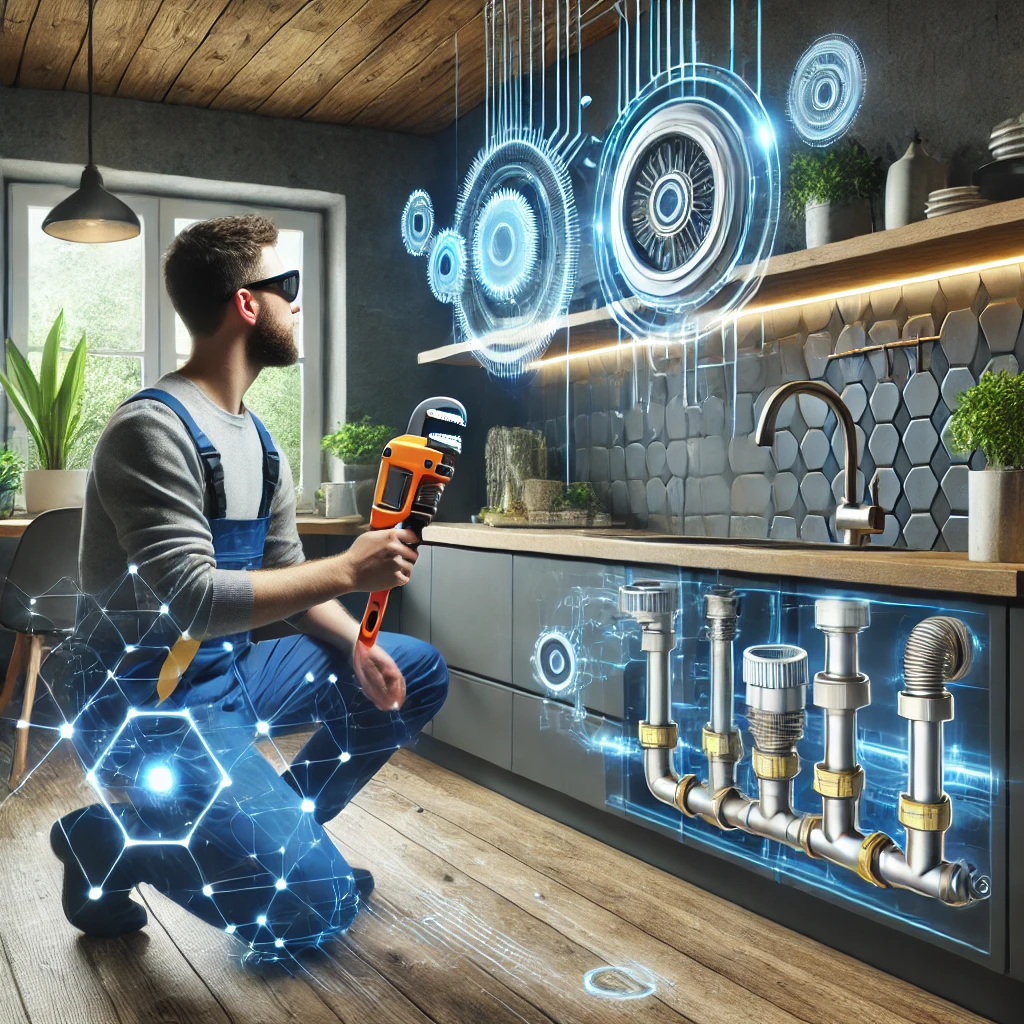
Plumbing is a critical aspect of any building, and recent advancements in technology are transforming how we approach efficiency and sustainability in plumbing systems. Here are some of the most innovative techniques in modern plumbing:
1. Water-Saving Fixtures: Water conservation is a significant concern in today’s environmentally conscious world. Modern plumbing fixtures, such as low-flow toilets, faucets, and showerheads, are designed to reduce water usage without compromising performance. These fixtures are becoming standard in both residential and commercial properties.
2. Smart Leak Detection: One of the biggest challenges in plumbing is detecting leaks before they cause significant damage. Smart leak detection systems use sensors and the Internet of Things (IoT) to monitor water flow and detect anomalies. These systems can alert homeowners or building managers to potential leaks, allowing for prompt repairs and preventing costly water damage.
3. Tankless Water Heaters: Traditional water heaters store large amounts of hot water, leading to energy waste. Tankless water heaters, on the other hand, heat water on demand, providing hot water only when needed. This innovation reduces energy consumption and provides an endless supply of hot water.
4. Trenchless Technology: When it comes to repairing or replacing underground pipes, trenchless technology offers a less invasive solution. Instead of digging up entire sections of land, plumbers can use methods such as pipe bursting or pipe lining to fix issues with minimal disruption. This technique is not only faster but also more cost-effective and environmentally friendly.
5. Greywater Recycling: Greywater recycling systems collect and treat water from sinks, showers, and laundry for reuse in irrigation or flushing toilets. This reduces the demand for fresh water and lowers utility bills, making it an eco-friendly solution for homes and businesses.
These innovative techniques are paving the way for more efficient and sustainable plumbing systems. By embracing these advancements, we can reduce water waste, lower energy consumption, and create more resilient infrastructure for the future.